
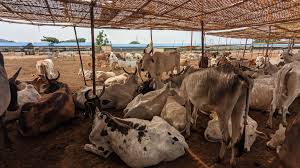
Gorakshana is not merely a tradition — it is a sacred responsibility deeply rooted in Indian culture, agriculture, and Sanatana Dharma. In our scriptures, the cow is revered as Gomata, a symbol of nourishment, compassion, and selfless giving. Protecting cows is considered an act of dharma and service to society.
However, in today’s India, the condition of cows has become a serious concern. Rapid urbanization, shrinking grazing lands, plastic pollution, and lack of proper care have led to a decline in their well-being. Thousands of stray cows wander on roads and garbage dumps, consuming plastic waste and harmful materials. This has resulted in severe health complications, internal injuries, and even death. Veterinary reports increasingly show plastic accumulation in cows’ stomachs as a major cause of suffering.
Environmental imbalance and improper waste management have further worsened the situation. With traditional farming practices reducing and mechanization increasing, many cows are abandoned once they are no longer economically productive. This creates both humanitarian and ecological challenges.
Recognizing this urgent need, our foundation is committed to Gorakshana through structured and compassionate efforts. Our initiatives focus on:
Providing proper shelter and safe living conditions
Supplying nutritious fodder and clean drinking water
Ensuring regular veterinary care
Promoting awareness about plastic-free environments
Encouraging community participation in cow protection
Cow protection is not only a religious duty but also an ecological responsibility. Cows play an important role in sustainable agriculture, organic farming, and rural livelihoods. Protecting them supports environmental balance and preserves traditional Indian values.
Through Gorakshana, we aim to combine compassion, culture, and responsibility — safeguarding these gentle beings for future generations.
Serving Dharma through service to Gomata